
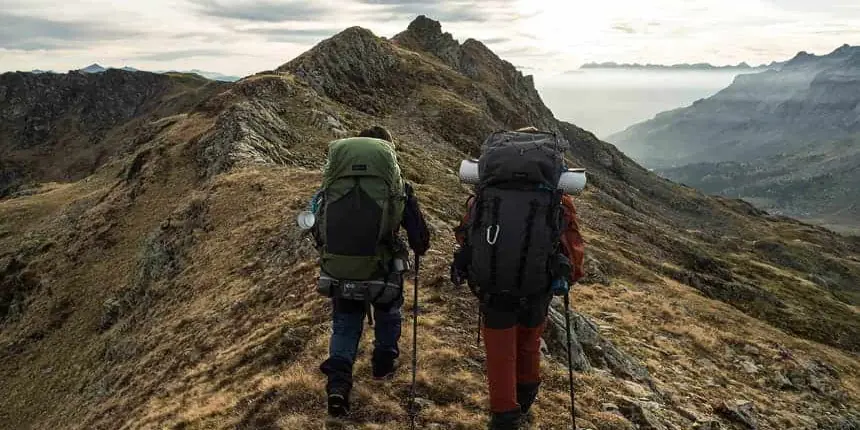
I have always admired people who go hiking in all kinds of weather. Spending time in nature, discovering each season's beauty and renewing our motivation also have a positive effect on everyday life.
Düzce offers ideal circular hiking routes. Odayeri and Kardüz Plateau are among the most popular. The Melen River hiking routes are also ideal for visitors who want to combine rafting with trekking.
If you want to start hiking, this guide will help you choose the equipment that matters for a first trip. I recommend reading to the end.
Equipment for Hiking
Footwear
Not just for hiking, but for everyday walking too, comfortable footwear is essential. Hiking routes vary in difficulty, so shoes should be comfortable, durable, protective and appropriate for the activity.
Good footwear supports your feet and ankles and grips slippery or rocky ground. It should protect against rocks while remaining flexible, resist water, allow ventilation and keep your feet warm.
If you are unfamiliar with the route, I recommend carrying shoes in your bag as well as wearing boots. Boots offer more protection but their weight can tire you unnecessarily on flat ground.
Consider weight carefully when choosing boots. Finding both durability and low weight can be difficult, so look for a balanced option.
Clothing
What you wear depends on the location, altitude, season and other factors. Ask your guide if unsure. Hiking clothing should keep your body at a comfortable temperature, feel safe and comfortable, and help you adapt to changing conditions.
A three-layer clothing system is generally recommended for changing temperatures and weather. You may see products sold as 3-in-1 jackets.
Base Layer
This layer touches your skin directly. It should move moisture away quickly to reduce heat loss. Wet underwear can cause heat loss around 25% faster than dry clothing.
Middle Layer (Insulation)
The middle layer retains body heat by trapping still air. Wool is used, but synthetic fleece is particularly suitable: light, insulating and quick drying. Its main disadvantage is that wind can pass through it.
Protective Outer Layer
The outer layer protects the middle layer from rain, snow and wind while allowing ventilation. Useful features include a two-way front zip and underarm ventilation zips.
Trousers with full-length side zips also make ventilation and changing easier.
Head and Hands
A hat is an important item for retaining warmth. The head has blood vessels close to the surface; the original guide describes substantial heat loss from this area. A hat or beanie helps regulate body temperature.
Gaiters
Gaiters protect the gap between shoes and trousers from snow, water and mud. They are particularly useful in snow, even with good boots. Choose a snug fit that leaves little space around the bottom.
Backpack
A backpack is another key piece of equipment affecting comfort. Carrying all your kit may bring the load to 25–30 kg, making the right bag increasingly important over long distances.
A larger bag encourages more equipment and more weight. Choose a backpack for your walking plan, with padded shoulder straps and, most importantly, a waist belt that distributes weight to your hips.
Tents and Staying in Nature
Holidays close to nature and camping tours are becoming increasingly popular, from one-night stays to longer trips.
City residents may be hesitant about rural life or worry that wildlife will harm them in a tent. These fears are gradually easing; I have not heard of wildlife attacking a tent on a camping tour. As people leave those fears behind, their desire to connect with nature grows.
Respect wildlife and avoid disturbing animals.
Choosing a Tent
Travel agencies usually provide tents on camping tours, typically for two people. If travelling alone, you may need to share with another participant.
If buying your own tent, research carefully rather than deciding immediately. First consider which seasons you camp in, as this affects your budget. For summer-only use, choose a suitable seasonal tent.
If you camp throughout the year, explore four-season tents. Ease of setup matters too: choose a tent one person can assemble. Designs requiring several people can be inconvenient, particularly in difficult conditions.
Good tents cost money, but they are an important shelter from the elements, so invest in a suitable one.
Common Questions About Camping
Can insects or animals get into a tent? Tent vents have mesh, and entrances generally have both mesh and outer doors with zips. Keeping them closed helps keep insects out while you sleep.
Where should a tent be pitched? Choose your pitch carefully. Shade under trees can help in hot weather, but avoid camping under trees during storms. Also avoid pitching too close to water.
Water edges are particularly dangerous if drinking alcohol. Pitch on level ground and keep fires well away from tents, as tent fabric can ignite easily and be difficult to extinguish.
Sleeping Bags and Mats
A sleeping bag is essential protection against cold. Bags carry temperature ratings, but people's physiology differs. If you feel the cold easily, choose a bag rated for colder conditions, for example −20°C.
Temperature ratings affect a bag's weight and packed size. Since you carry it in your backpack, both are important.
Sleeping mats have evolved with technology. Inflatable sleeping pads provide more separation from the ground and pack down small when deflated, offering an advantage for carrying and insulation.
As discussed, choosing items that provide the most benefit for the weight is an important part of camping.
If you want to hike and spend nights outdoors, these suggestions can help, especially on your first trip.
For hiking in Düzce and rafting or camping on the Düzce rafting course, contact us.
#dogadapazartesiolmaz